
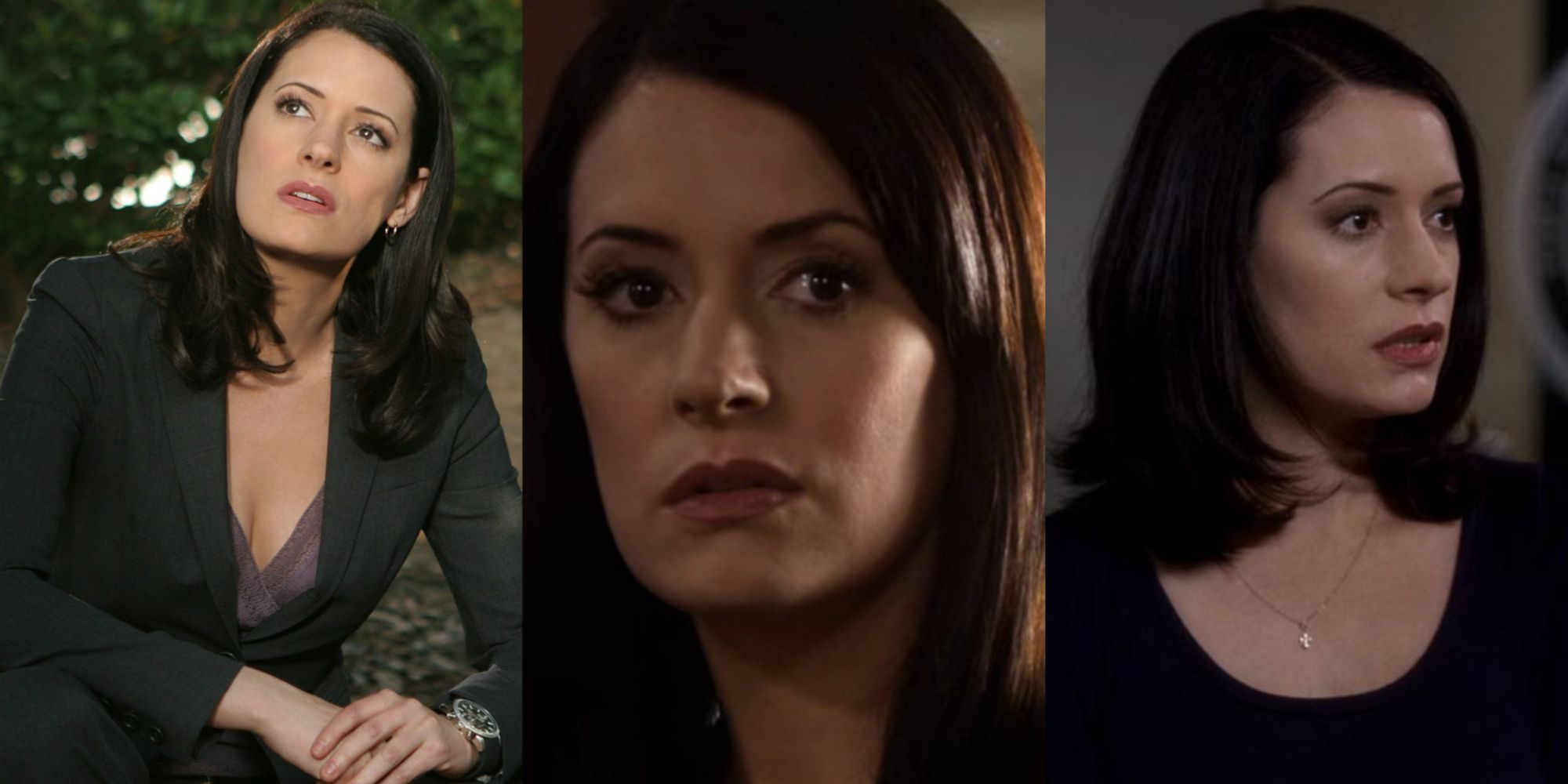
Emily Prentiss Store: Will This Film Redefine Shopping?
Imagine stepping into a movie set and leaving with a brand‑new wardrobe, all without ever walking into a traditional boutique. That is the bold promise of the upcoming film tied to the Emily Prentiss Store, a project that aims to blur the boundaries between cinema and commerce. As whispers grow louder, curious shoppers and film lovers alike are asking: will this film truly redefine shopping? In this post we unpack the concept, explore its potential ripple effects, and consider what it could mean for the future of retail.
Emily Prentiss Store: The Concept That Merges Storytelling with Retail
The Emily Prentiss Store began as a narrative device in a script, but quickly evolved into a full‑fledged experiential brand. The filmmakers collaborated with designers, tech innovators, and marketers to craft a storefront that feels like a set piece. Every product is curated to reflect a character’s journey, and each scene is designed to showcase the items in a way that feels organic rather than sales‑y.
This approach taps into a growing trend: consumers want experiences, not just transactions. By embedding merchandise within a storyline, the store offers an emotional hook that typical advertising often lacks. Viewers can watch a protagonist discover a sleek jacket during a pivotal moment, then click a link to purchase the exact piece they just saw on screen.
How the Film Blurs the Line Between Media and Shopping
Traditional product placement has long been a staple of Hollywood, but the Emily Prentiss Store takes it to the next level. Instead of a fleeting cameo, the film becomes a guided tour of the brand’s catalogue. Interactive QR codes appear on screen, leading audiences straight to an online checkout, while augmented reality filters let viewers try on items in real time.
Behind the scenes, the production team uses data analytics to track which garments generate the most buzz. This information feeds directly into inventory decisions, ensuring that the most coveted pieces are restocked quickly. In essence, the film doubles as a live market research tool, aligning consumer demand with creative storytelling.
Potential Impact on Consumer Behavior
When content and commerce intersect so seamlessly, shoppers may shift from passive viewers to active participants. The immediacy of being able to buy a featured item within minutes of watching a scene can spark impulse purchases, but also fosters a deeper brand loyalty. Consumers feel part of the narrative, and that personal connection often translates into repeat business.
Moreover, the model encourages brands to think cinematically about their product lines. Rather than merely listing features, they can craft a story arc that showcases how an item fits into a lifestyle or emotional journey. This could inspire a wave of storytelling‑driven marketing campaigns across industries, from beauty to tech.
What the Future Holds for Shopping Experiences
If the Emily Prentiss Store film succeeds, it may set a precedent for a new genre of retail entertainment. Imagine a streaming platform where every original series includes a built‑in shop, or a blockbuster movie that launches a limited‑edition merchandise line timed perfectly with its release. The possibilities extend beyond fashion—home décor, gadgets, even travel experiences could be woven into narrative frameworks.
Critics caution that such integration must respect consumer privacy and avoid feeling overly commercial. Transparency about data usage and clear opt‑in mechanisms will be essential to maintain trust. Nevertheless, the potential to transform passive viewing into an interactive, purchasable adventure is compelling.
In conclusion, the upcoming film centered on the Emily Prentiss Store is more than a marketing stunt; it’s a test case for how entertainment can become a direct sales channel. By delivering a story that is as immersive as it is purchasable, the project could indeed redefine shopping for a digital‑savvy generation. Whether this model will become mainstream remains to be seen, but its influence on the convergence of cinema and commerce is already undeniable.


